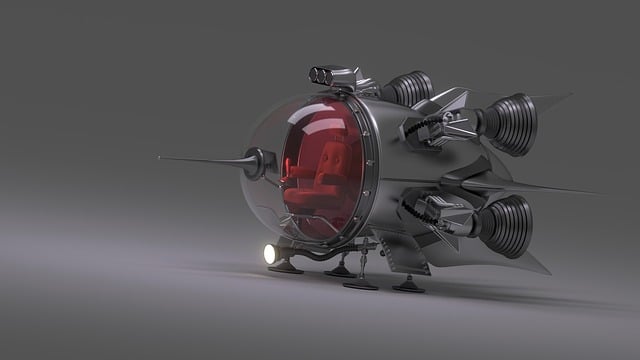
Space opera is a big, exuberant genre. It thrives on spectacle, emotion, and scale. Everyone always think of Star Wars when they think of the genre, but there is so much more.
Here are the most common clichés that weaken space operas and what you can do instead.
1. The “Chosen One” Who Never Earns It
Few tropes have done more damage to modern space opera than the unexamined Chosen One.
You know the version: a young, ordinary protagonist discovers they are uniquely special due to a prophecy, bloodline, or mysterious power. They struggle briefly, then outperform trained veterans and reshape the galaxy.
The problem isn’t destiny itself. The problem is unearned inevitability.
Why it fails:
Readers disengage when success feels preordained. If the universe bends to accommodate your protagonist, there’s no real tension—and no reason to believe their choices matter.
What to do instead:
If your story involves destiny, complicate it. Make prophecy ambiguous, contested, or actively harmful. Let the protagonist fail because of their “specialness.” Or better yet, let them succeed through collaboration, sacrifice, and hard-won competence—not cosmic favoritism.
2. Evil Empires That Are Evil “Just Because”
A galaxy-spanning empire that is cruel, brutal, and irredeemable is a staple of space opera. Unfortunately, many such empires exist solely to be overthrown, with no internal logic beyond oppression.
Why it fails:
One-dimensional villains flatten the moral landscape. They turn complex conflicts into cartoons and deprive your heroes of meaningful choices.
What to do instead:
Ask uncomfortable questions. How does the empire maintain loyalty? What benefits do ordinary citizens receive? Who believes in it—and why? The more understandable an antagonist system becomes, the more compelling resistance to it will feel.
3. The Ragtag Crew of Stock Archetypes
Space opera loves crews. So do readers. But too often, these crews feel assembled from a checklist:
- The snarky pilot
- The stoic warrior
- The brilliant but socially awkward scientist
- The mysterious alien
Why it fails:
Archetypes aren’t characters. When everyone speaks in the same voice and fulfills a single function, emotional investment evaporates.
What to do instead:
Start with archetypes if you must—but then undermine them. Give the warrior a fear they won’t admit. Let the pilot hate flying. Allow the scientist to make emotional decisions that backfire. Depth comes from contradiction.
4. Technology That Solves Problems on Demand
In weaker space operas, technology behaves like magic that appears exactly when needed: instant translators, limitless energy, miraculous medical fixes, and hyperdrives that work perfectly until the plot requires otherwise.
Why it fails:
When technology has no cost or limitation, stakes disappear. Readers stop worrying because they assume a device will fix everything.
What to do instead:
Treat technology as a system with trade-offs. Faster travel might cause political fragmentation. Advanced medicine might raise ethical dilemmas. Translation tech might erase cultural nuance. Limitations make the universe feel real—and problems feel earned.
5. Aliens That Are Just Humans in Makeup
One of the great promises of space opera is the exploration of the truly alien. Yet many stories populate the galaxy with beings who are functionally human, differing only in skin color, forehead shape, or single personality trait.
Why it fails:
It squanders the genre’s imaginative potential and often reinforces stereotypes instead of challenging them.
What to do instead:
Think beyond appearance. How does this species perceive time? Family? Identity? Conflict? An alien culture should change how scenes work, not just how they look.
6. Endless Escalation Without Consequence
Another common cliché is the belief that bigger automatically means better: larger fleets, deadlier weapons, higher body counts, more spectacular destruction.
Why it fails:
Escalation without consequence numbs the reader. When planets explode every few chapters, nothing feels significant anymore.
What to do instead:
Slow down and show impact. Who is displaced? What systems collapse? How does victory change the characters—and not always for the better? Emotional weight matters more than scale.
7. Borrowed Aesthetics Without Understanding
New writers often borrow heavily from beloved franchises—sometimes unconsciously. The result is a story that feels like a remix rather than an original composition.
Why it fails:
Readers sense imitation quickly. Familiarity becomes predictability.
What to do instead:
Study why your favorite space operas work. Is it the found family? The moral ambiguity? The political intrigue? Extract the underlying principles, then build something new atop them.
If you want to write better space opera, ask harder questions. Complicate your heroes. Humanize your villains. Let your worlds push back against your characters instead of existing solely to showcase them.
What is your favorite sci-fi or space opera movie or book?
I hope you liked this month’s blog post. The books in my urban fantasy series are available on Amazon. Please let me know your thoughts by liking, commenting, and/or subscribing. Also, you can join my mailing list by clicking here.


You make good points. These are all used and overused conventions. However: Why they fail? Not so sure. You may want to call George Lucas and a few others who keep pouring those out – making billions if not trillions on the worldwide stage.
LikeLike