Horror and urban fantasy are two distinct genres that have captivated readers with their unique storytelling and imaginative worlds. In this blog post, we’ll explore the common themes, tropes, and historical influences that bind these genres together in literature, delving into the eerie and fantastical realms they offer.
Themes:
Supernatural Elements: Both genres embrace supernatural themes, whether it’s ghosts, vampires, werewolves, or other mystical creatures. They explore the unknown and the uncanny, delving into the realms of magic, myth, and the occult.
Dark Atmosphere: Horror and urban fantasy often share an atmospheric darkness, creating a sense of foreboding and suspense. Whether it’s the haunted streets of a city or the eerie shadows lurking in the night, these genres immerse readers in a world where danger and the supernatural lie just beneath the surface.
Exploration of Fear: Fear is a core theme in both genres, albeit manifested differently. Horror seeks to terrify readers, playing on primal fears and invoking a sense of dread. Urban fantasy, while less overtly frightening, still explores fear and its impact on characters, often focusing on personal growth and triumph over adversity.
Tropes:
Protagonists with Hidden Abilities: Both horror and urban fantasy frequently feature protagonists who possess hidden or undiscovered powers. These characters are thrust into supernatural worlds, forced to confront their fears and tap into their latent abilities to overcome the challenges they face.
Urban Settings: Urban settings serve as common backdrops for both genres, albeit with different tones. While horror often exploits the dark underbelly of cities, urban fantasy brings magical elements into urban environments, blending the ordinary with the extraordinary.
Historical Influences: Horror and urban fantasy have been influenced by various historical sources:
Gothic Fiction: Both genres owe a debt to gothic literature, which emerged in the 18th and 19th centuries. Gothic elements, such as gloomy settings, supernatural occurrences, and psychological terror, continue to shape horror and urban fantasy narratives.
Folklore and Mythology: The folklore and mythology of different cultures have inspired both genres, providing a rich tapestry of creatures, legends, and supernatural beings that populate their worlds.
Pioneering Authors: Influential authors such as Edgar Allan Poe, Bram Stoker, and H.P. Lovecraft have left indelible marks on both horror and urban fantasy, with their seminal works becoming touchstones for future generations of writers.
While horror and urban fantasy are distinct genres in their own right, they share common themes, tropes, and historical influences. Both genres delve into the supernatural, explore fear and the unknown, and captivate readers with their dark atmospheres and hidden realms. From haunted cities to mystical creatures, these genres push the boundaries of imagination, inviting readers on thrilling journeys that blur the line between reality and fantasy. So, whether you seek spine-chilling terror or fantastical urban adventures, both horror and urban fantasy offer enthralling narratives that ignite the imagination and keep readers hooked until the very last page.
Do you read or write in the horror genre and do you think it overlaps with the urban fantasy genre?
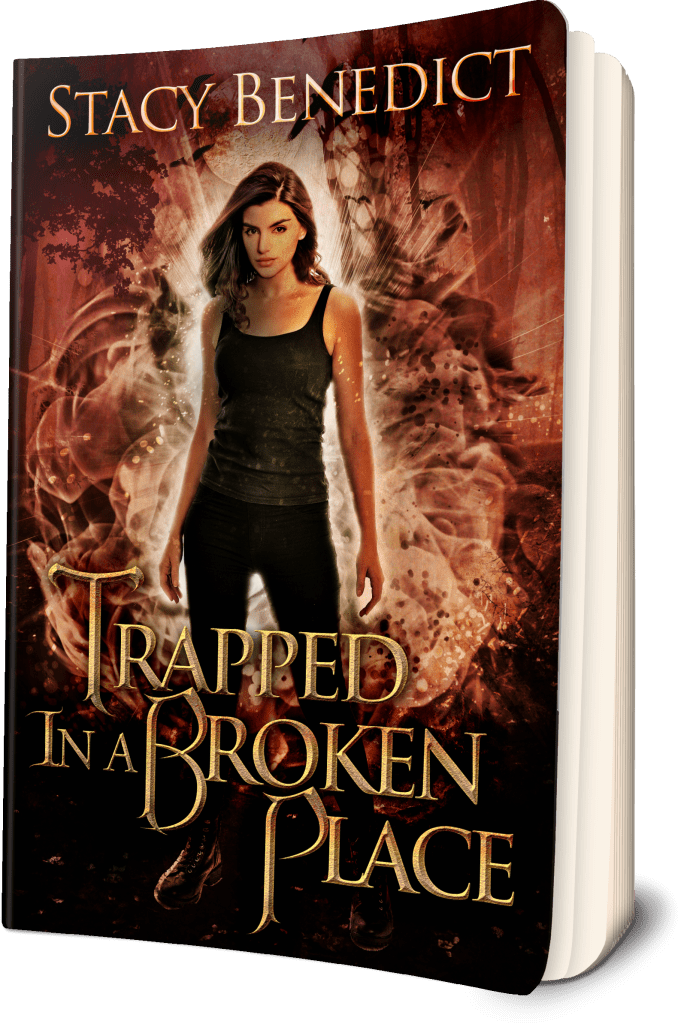
I hope you liked this month’s blog post. The books in my urban fantasy series are available on Amazon. Please let me know your thoughts by liking, commenting, and/or subscribing. Also, you can join my mailing list by clicking here.
 stacy benedict